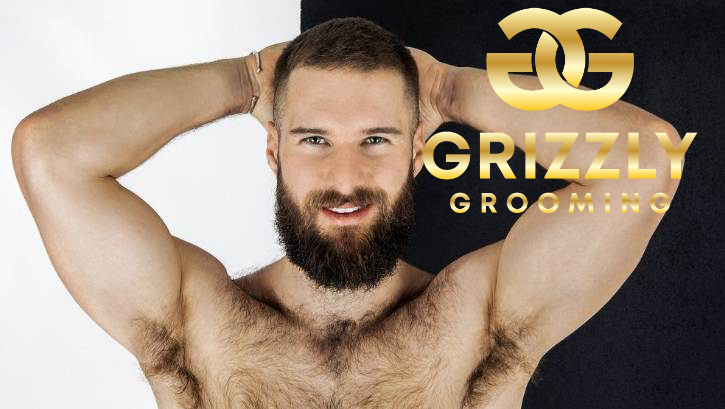
Men’s hairstyles have evolved into a sophisticated blend of cultural heritage, modern trends, and individual expression. However, the secret to a great haircut isn’t just following a trend; it’s understanding your specific hair canvas. Whether your strands are straight, wavy, curly, or coily, choosing a cut that complements your natural texture is the key to effortless style. Here is a Guide to Hairstyles!
This guide explores the top contemporary hairstyles for every hair type and provides professional insights on how to maintain your look.
Straight hair is the ultimate chameleon. Because it lays flat, it excels in styles that require sharp lines, extreme fades, or high-shine finishes.
The Classic Taper Cut: A timeless silhouette. This style keeps the sides and back tight while leaving 2–4 inches of length on top. It’s the “gold standard” for professional environments and looks best when styled with a light pomade for a polished sheen.
The Undercut: For a more aggressive, modern edge, the undercut disconnects the top from the sides. By fading the sides down to the skin, the longer hair on top becomes a focal point that can be slicked back or styled into a voluminous quiff.
Textured Crop: If you prefer a “wake up and go” vibe, the textured crop uses choppy layers to create movement. It’s a low-maintenance favorite that works best with matte clays or fibers.
Wavy hair sits in the “sweet spot” between straight and curly, offering natural body without the high maintenance of tight coils.
Medium-Length Flow: Letting wavy hair grow to 5–7 inches allows its natural “S” shape to shine. To achieve that effortless, beachy aesthetic, apply a sea salt spray to damp hair and let it air dry.
The Modern Quiff: Waves provide the perfect structural base for a quiff. The natural volume of the hair makes it easier to sweep the front upward and back, creating height that stays put with a bit of medium-hold mousse.
The “Controlled” Messy Look: Embracing a bit of chaos can be incredibly stylish. By using a texturizing cream, you can define your waves while keeping the look intentional rather than unkempt.
Curly hair is a statement in itself. The goal for this hair type is to manage volume while preventing the “frizz factor.”
Short Curly Cut: To keep things manageable and professional, a short cut reduces bulk. Regular trims are non-negotiable here to prevent the hair from becoming “bottom-heavy.”
The Long Mane: For those who want to stand out, longer curls offer a dramatic look. The secret weapon for this style is curl cream, which hydrates the hair and encourages curls to clump together instead of fraying into frizz.
Curly Top Fade: This is one of the most popular modern looks. By skin-fading the sides, you create a clean, sharp frame that allows the natural texture of the curls on top to pop.
Coily (Type 4) hair is incredibly versatile but requires specific techniques to maintain moisture and shape.
The Tapered Afro: This style creates a sharp contrast by keeping the temple and nape areas short, allowing the hair to gradually gain volume toward the crown. It highlights the natural tight coil pattern with architectural precision.
The Iconic Afro: A celebration of natural volume. The modern afro is often shaped with shears to ensure a perfectly rounded or squared silhouette, providing a bold, full-bodied presence.
Protective Styles (Twists and Cornrows): These aren’t just stylish—they are functional. Twists and braids protect the hair ends from environmental damage and can be worn for several weeks, significantly reducing daily styling time.
Regardless of your chosen cut, a great hairstyle starts with healthy hair. Follow these four pillars of grooming:
Schedule Regular Trims: Even if you are growing your hair out, “dusting” the ends every 4–6 weeks prevents split ends and keeps your shape from looking “shaggy.”
Match Product to Texture: * Straight/Fine: Lightweight creams or sprays.
Wavy/Curly: Sea salt sprays and hydrating mousses.
Coily: Heavy butters, oils, and leave-in conditioners.
Use Heat Protection: If you use a blow dryer to add volume to a quiff or pompadour, always apply a heat protectant spray first to avoid turning your hair brittle.
Be Adventurous: Hair is temporary! Don’t be afraid to experiment with a new fade or a longer length. You can always pivot at your next barber appointment.
Your hairstyle is often the first thing people notice; it’s a reflection of your identity and your attention to detail. From the precision of a straight-hair undercut to the bold silhouette of an afro, there is a perfect cut for every man. By choosing a style that works with your hair type rather than against it, you’ll find that looking your best becomes much easier.